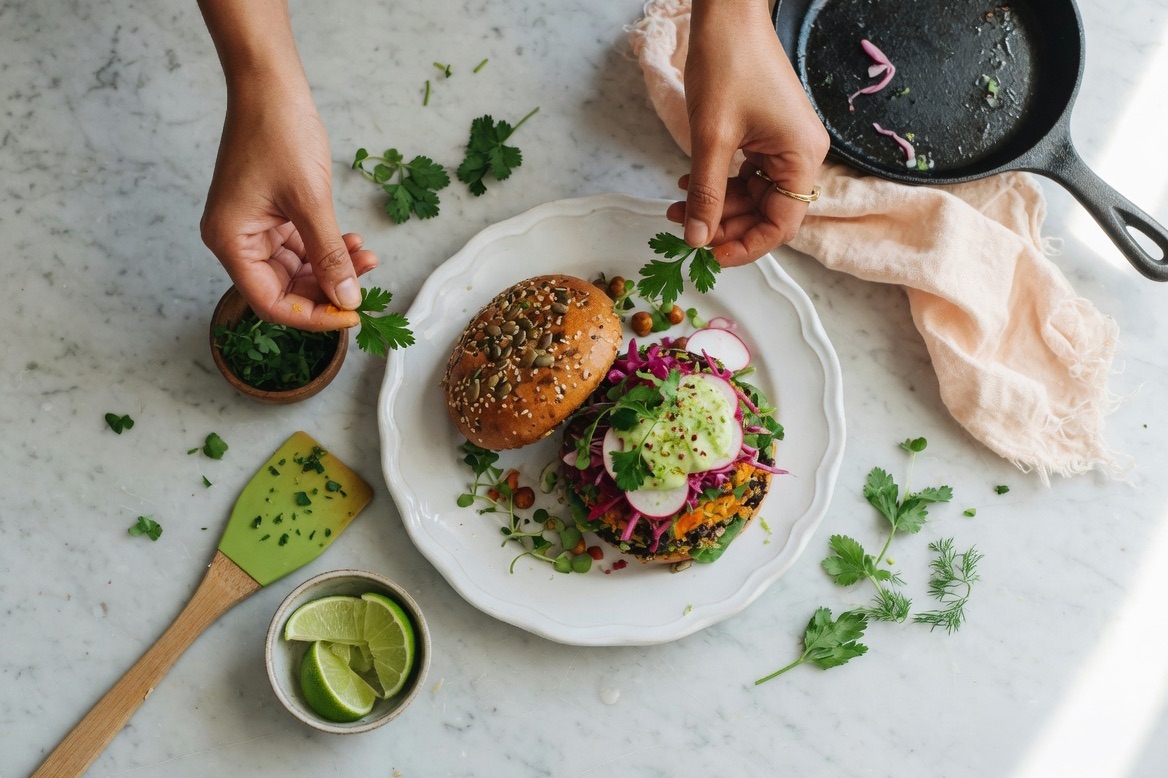
To promote a recipe post on Pinterest, make several distinct pins and publish them within the first 72 hours, then keep them moving to the right boards. This is the 72-hour post-publish window applied to Pinterest. Pin with intent in those three days, not once and hope.
For recipe bloggers, Pinterest works as a visual search engine, not a social feed, so a recipe post is found by people searching for tonight's dinner, not by followers scrolling. Pins for a new post perform best when they are fresh, distinct from each other, and published soon after the recipe goes live. Promoting a recipe post on Pinterest means creating several strong pins in the first 72 hours and matching each to a board where hungry searchers already look.
If you pin a recipe three times and nothing happens, the problem is rarely the recipe. It is usually the pin — the title, the image, or the board it landed on.
Pinterest is a search engine, not a feed
Pinterest does not work like Instagram. Your reader is not scrolling to be entertained. She is searching for a way to feed her family a quick vegan dinner tonight, and she types that into the search bar. That single fact changes how you promote every recipe post you publish.
It means the title carries the work. "My Favorite Veggie Burger" announces a preference. "Crispy Blackbean Burger, 20 Minutes, No Egg" solves a problem. One gets scrolled past. The other gets saved, because it names exactly what the searcher wants and the constraint she is cooking around. Promotion on Pinterest starts with writing titles the way your reader searches.
It also means timing and freshness matter more than frequency. Pinterest tends to favor fresh pins — new images and new pins pointing to your post — over the same pin saved again and again. So pinning the identical graphic three times in a week does little. Making three genuinely different pins, each with its own image and angle, gives the post three real chances to match three different searches.
This is why the 72-hour window suits Pinterest so well. In the first three days after a recipe goes live, you have the time and the material to build several distinct pins while the dish is fresh in your mind and your photos are ready. Work those three days deliberately and a single recipe post can keep surfacing for weeks, long after the burst you would get from one pin has faded. The work is small and visual. It just needs to be on purpose.
Pin your recipe post in five steps
Here is the sequence for the 72 hours after you publish a recipe. Each step has a time estimate. Work them in order, using your own photos and your own dish.
- Build your first pin from a template (10 minutes). Open Canva and duplicate your last-used pin template — do not start from a blank page. Drop in a step-in-progress photo, the patty hitting the hot pan, not the finished plate. In-process food shots tend to pull more saves than tidy plated ones, because they show the cooking, not just the result.
- Write the title as a search, then the description (10 minutes). Title formula: ingredient plus outcome plus constraint. "Smoky Blackbean Burger, 20 Minutes, No Egg." First line of the description repeats the title in different words. Second line names who it is for: "for a quick weeknight vegan dinner that doesn't taste like compromise." Add your keyword line below — vegan burger recipe, easy weeknight dinner, plant based dinner ideas.
- Save it to your most relevant board first (5 minutes). Send the pin to your tightest-matched board — Vegan Weeknight Dinners — before any broad one. The first board tells Pinterest what the pin is about. A precise board beats a catch-all every time.
- Make two more distinct pins over the next two days (15 minutes each). Same recipe, different angle. One close-up of the crispy edge. One overhead of the ingredients laid out. New image, new title angle, new first board. Three distinct pins give the post three doors in, not one door knocked on three times.
- Check saves on day three and repin the winner (10 minutes). Look at which of the three pins earned real saves, not just impressions. Save that one to a second well-matched board and note the title format that worked. That note is how your next recipe starts ahead instead of from scratch.
The whole sequence is about an hour of design work spread across three days. None of it asks you to post more recipes. It asks you to give the recipe you already wrote the pins it needs to be found.
Write a pin description that earns the click
The image stops the scroll. The title and description earn the save and the click. For a recipe post, both should read like the answer to a search, not a caption on a photo.
Keep the description concrete and sensory. "Crispy on the outside, smoky all the way through. This blackbean burger comes together in 20 minutes — no egg, no breadcrumb filler, no soggy middle." That tells the reader what she is getting and what she is avoiding, in her language. Vague mood copy — "the perfect weeknight meal" — could sit under any recipe and gives the searcher nothing to grab.
Lead with the constraint your reader is cooking around. "No egg." "One pan." "Twenty minutes." "Freezer-friendly." These are the words she actually searches, and naming one in the first line does double duty: it tells the reader the pin is for her, and it tells Pinterest what the pin is about. The keyword line below the description is operational, not decorative — it is how the pin gets filed, so make it match real searches, not clever phrases.
One link, to the recipe post itself, sending the reader to the method and the printable card. Do not split a single pin across several destinations. The job of the pin is to carry one hungry searcher from a Pinterest result to your kitchen, cleanly. If the pin keeps its promise — the title matches the post, the post matches the craving — she saves it, makes it, and comes back. That is how a recipe post built for Pinterest keeps working after the first 72 hours, as part of a post-publish system that covers all your channels.
Frequently asked questions
How many Pinterest pins should I create per recipe blog post?
Create at least three distinct pins per recipe post, not one pin saved three times. Each pin needs its own image and its own title angle — one step-in-progress shot, one close-up, one ingredients overhead, for example. Distinct pins give a single recipe three chances to match three different searches, which Pinterest favors over the same graphic repeated.
How quickly should I pin a new recipe post to Pinterest after publishing?
Pin your first graphic within the first few hours, then add two more distinct pins over the following two days. Pinterest tends to favor fresh pins on new posts, so the 72-hour window after publishing is when your pinning effort goes furthest. Build the pins while the dish and your photos are still fresh.
Why isn't my recipe blog getting traffic from Pinterest?
Usually the title, image or board is the problem, not the recipe. A title that names a preference rather than a constraint gets scrolled past, a plated photo can pull fewer saves than a cooking shot, and a broad first board confuses the result. Rewrite the title as a search, lead with a constraint like "no egg," and save to your tightest board first.
How do I write a Pinterest pin description for a recipe blog post?
Open with a concrete, sensory line, then name who the recipe is for. "Crispy outside, smoky through. This blackbean burger comes together in 20 minutes, no egg." Repeat the title idea in different words, name the constraint your reader cooks around, and add a keyword line below that matches real searches. Keep one link, to the recipe itself.
How long does it take for a Pinterest pin to drive traffic to a recipe blog?
Pinterest builds slowly compared with email or a feed. A pin can take days to weeks to gather saves, then keep resurfacing for months as people search the same craving. Judge a pin by saves in the first few days, not by instant clicks. Distinct, well-titled pins published in the first 72 hours give a recipe the longest runway.
The complete Pinterest kit
The Recipe & How-To Blogger Kit includes a complete Pinterest Channel Action Kit — built for the 72 hours after you publish. It turns these steps into pin templates, title formulas and fill-in descriptions made for recipe posts, alongside the rest of your post-publish checklist. You bring the dish and the photos; the kit gives you the words and the order. See the Recipe & How-To Kit.